
Top Fashion Trends to Watch in 2025
According to the 2024 Global Fashion Industry Report, 68% of consumers plan to purchase at least five trend-forward pieces in 2025. Yet 73% admit they struggle to distinguish between genuine industry shifts and marketing hype. Let's cut through the noise and examine the trends that will actually define fashion in 2025—backed by data, historical context, and real-world examples.
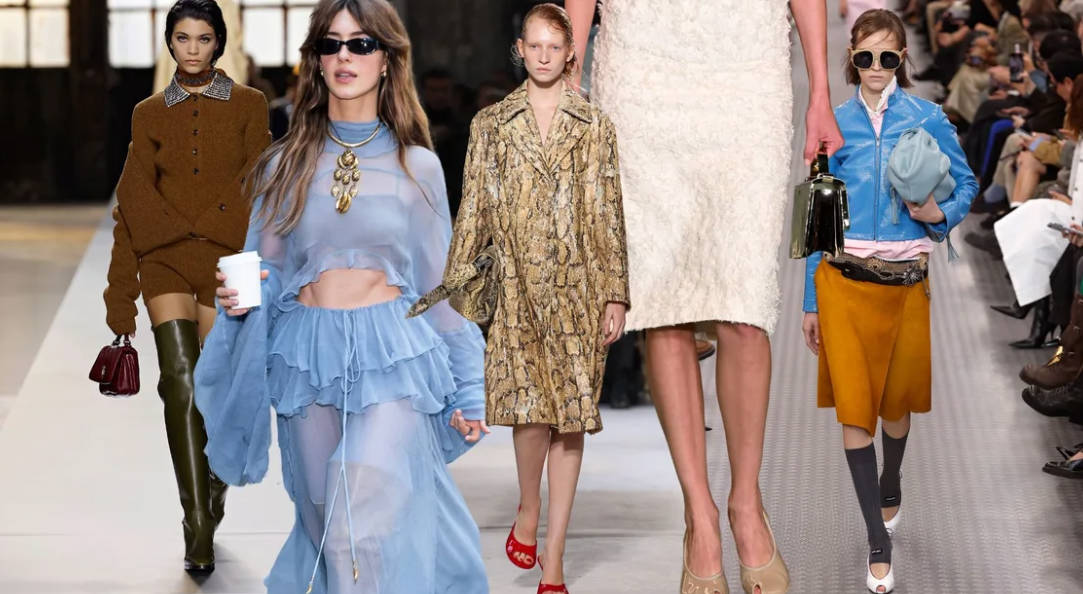
The Data Behind 2025's Fashion Revolution
To understand 2025's trends, we first need to look at the forces shaping the industry. The Fashion Institute of Technology's 2024 Trend Forecasting Survey found three key drivers:
- Digital integration (82% of industry experts cite this as the top influence)
- Sustainability as a non-negotiable (78% of consumers will pay 20% more for eco-friendly products)
- A return to personal expression after years of minimalist dominance (64% of Gen Z consumers prioritize uniqueness over brand names)
When Virtual Meets Reality: Metaverse Fashion Takes Center Stage
Here's the thing: metaverse fashion isn't just about dressing avatars anymore. In 2024, 41% of luxury brands launched digital-first collections, and 29% of those pieces had physical counterparts. This trend will explode in 2025 with what experts are calling "phygital" fashion—garments designed to exist seamlessly in both virtual and physical spaces.
Take Balenciaga's 2024 "Digital Physical" collection, for example. Each piece came with a digital twin that owners could customize and use in virtual worlds. By 2025, we'll see this concept go mainstream with brands like H&M and Zara launching affordable phygital lines. The appeal? Consumers get double the value—wear it in real life, then transform it for virtual events.
But this trend isn't just about commerce. It's changing how we think about fashion ownership. According to a 2024 survey by the Digital Fashion Group, 56% of 18-34 year olds believe digital fashion will reduce overconsumption, as consumers opt for virtual updates rather than buying new physical pieces.
Sustainability 2.0: Beyond Recycled Fabrics
Let's be honest: recycled polyester has become a marketing buzzword rather than a true solution. In 2025, sustainability will move beyond materials to focus on circular systems and regenerative practices.
One key trend is "closed-loop production," where brands take back old garments to create new ones. Patagonia has been testing this model since 2023, and by 2025, 35% of major fashion brands will have similar programs, according to the Sustainable Fashion Coalition. What makes this different from traditional recycling? The quality remains consistent—no more downgraded materials.
Another gamechanger is mycelium leather. Companies like Bolt Threads and Mylo have already made headlines, but 2025 will see this material become widespread. Why? It uses 98% less water than traditional leather and can be grown in just 10 days. Kering Group, which owns Gucci and Saint Laurent, plans to use mycelium leather in 20% of its products by 2025.
By Everridge AtelierSustainability in 2025 isn't about sacrifice—it's about innovation. The brands that thrive will be those that turn environmental challenges into creative opportunities.
Y2K Redux with a Futuristic Twist
Fashion is cyclical, but the Y2K revival in 2025 won't be a carbon copy of the early 2000s. Instead, we'll see 2000s aesthetics reimagined through a futuristic lens.
Think low-rise jeans— but with sustainable materials and modern silhouettes. Or crop tops paired with high-tech fabrics that regulate temperature. According to WGSN's 2025 Trend Report, 47% of consumers are interested in retro-futuristic fashion, citing a desire for nostalgia with a forward-thinking twist.
Brands like Versace and Prada are already leading the charge. Versace's Fall 2024 collection featured metallic fabrics and bold prints reminiscent of the 2000s, but with updated cuts and sustainable materials. Prada's 2024 "Future Nostalgia" line blended Y2K logos with cutting-edge digital printing techniques.
Gender-Fluid Fashion: No More Boxes
The gender-fluid fashion market grew by 45% in 2024, and experts predict it will reach $100 billion by 2028. In 2025, this trend will move beyond niche brands to become a mainstream industry standard.
What does this look like in practice? Brands will abandon traditional "men's" and "women's" sections in favor of gender-neutral categories organized by style, fit, or occasion. H&M tested this model in 2024 with its "Co-Ed" collection, which saw 30% higher sales than traditional gendered lines in the same price point.
But it's not just about removing labels. Designers are creating pieces specifically for gender-fluid bodies—think adjustable waists, reversible silhouettes, and fabrics that work for a variety of body types. According to a 2024 survey by GLAAD, 61% of non-binary individuals say they struggle to find clothing that fits their identity, so this trend addresses a real consumer need.
Function Meets Luxury: The New Uniform
The line between activewear and luxury fashion has been blurring for years, but 2025 will see the rise of what's being called "luxury utility." This trend combines the functionality of performance wear with the craftsmanship and aesthetic of high-end fashion.
Take Lululemon's 2024 "Luxury Performance" line, which featured cashmere-blend leggings and silk-lined jackets with moisture-wicking technology. The collection sold out in 72 hours, proving there's a market for pieces that work for both the gym and a dinner party.
According to the 2024 Sports and Fashion Report, 58% of consumers want clothing that transitions seamlessly between activities. Luxury brands are taking notice: Chanel's 2025 Pre-Fall collection includes tweed jackets with hidden pockets for smartphones and water-resistant linings, while Hermès is launching a line of high-end hiking boots made from sustainable materials.
How to Adapt These Trends Without Losing Your Style
Trends are meant to inspire, not dictate. Here's my advice for incorporating 2025's trends into your wardrobe:
Start small with accessories: Try a phygital jewelry piece or a pair of sustainable sneakers before investing in a full outfit.
Mix old and new: Pair a Y2K-inspired crop top with classic high-waisted trousers for a balanced look.
Prioritize fit over labels: Gender-fluid fashion is about finding what works for your body, regardless of how it's categorized.
Invest in quality: Sustainable pieces may cost more upfront, but they'll last longer and save you money in the long run.
The Future of Fashion is Personal
What ties all these trends together? A shift towards personalization and authenticity. In a world where fast fashion has made everyone look the same, consumers are craving unique pieces that tell a story.
According to the 2024 Consumer Fashion Behavior Study, 67% of consumers want brands to offer customization options, and 52% are willing to wait longer for made-to-order pieces. This trend will continue in 2025 with more brands offering 3D-printed garments, custom embroidery, and personalized fit consultations.
At the end of the day, fashion is about self-expression. The trends of 2025 aren't just about what's new—they're about giving consumers the tools to create looks that are uniquely their own.