Mastering Fashion Styling: Advanced Techniques for Perfect Looks
Fashion styling is both an art and a science. While anyone can put clothes together, mastering advanced styling techniques takes practice, creativity, and an understanding of design principles. In this article, I'll share some of the most effective advanced techniques that professional stylists use to create breathtaking looks for their clients.
1. The Art of Color Coordination
Color is one of the most powerful tools in a stylist's arsenal. Advanced color coordination goes beyond basic complementary colors to create depth and emotion in an outfit.
Monochromatic Magic: Working with a single color family creates a sophisticated, cohesive look. Vary the shades, tints, and tones of the same color for depth. For example, a navy blue suit paired with a sky blue shirt and midnight blue accessories creates a powerful monochromatic statement.
Analogous Harmony: Use colors that are adjacent to each other on the color wheel (like red, orange, and yellow) for a harmonious, flowing look. This creates a sense of movement in the outfit.
Triadic Tension: For bold, eye-catching outfits, use three colors that are evenly spaced on the color wheel (like red, yellow, and blue). This creates visual tension while remaining balanced.
2. Texture Layering
Texture is often overlooked but plays a crucial role in creating interesting, dynamic outfits. Mixing different textures adds depth and tactile interest to your look.
Contrasting Textures: Pair smooth fabrics (like silk or satin) with rough textures (like wool or tweed) for an exciting visual contrast. For example, a silk blouse with a tweed jacket creates a sophisticated yet interesting combination.
Complementary Textures: Mix textures that work well together, like cashmere and leather, or lace and chiffon. This creates a more subtle, refined look.
3. Proportional Balance
Understanding and manipulating proportions is key to creating balanced, flattering outfits. The golden ratio (1:1.618) is a useful guideline for achieving visual harmony.
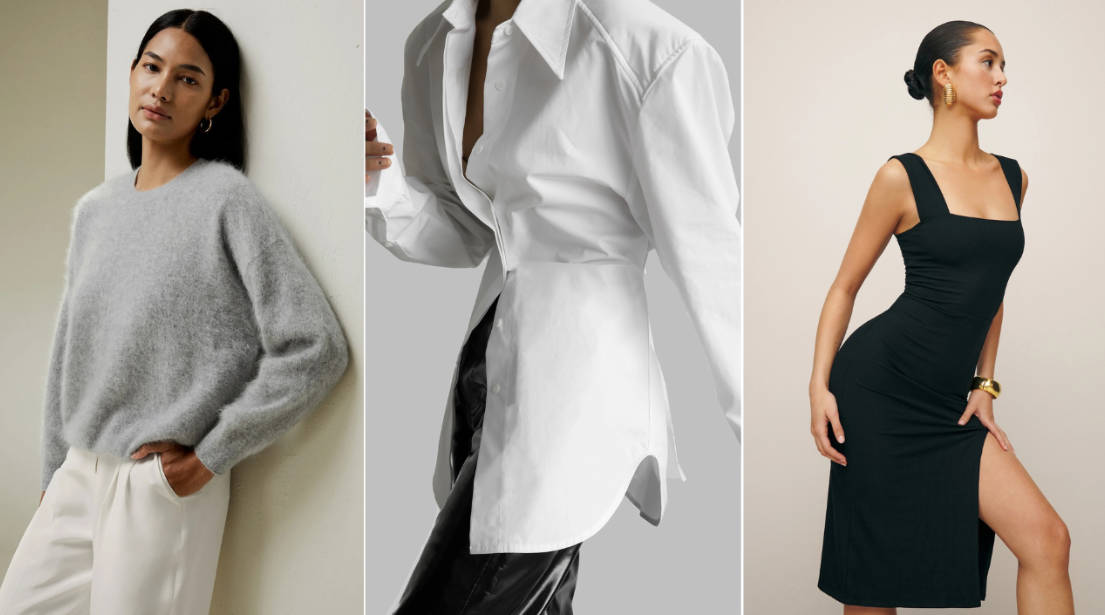
High-Low Proportions: Pair fitted pieces with loose ones to create visual interest. For example, a fitted top with wide-leg pants creates a balanced silhouette.
4. Accessorizing with Intention
Accessories are the finishing touches that elevate an outfit from ordinary to extraordinary. Advanced accessorizing is about using pieces that enhance the overall look rather than competing with it.
Statement Pieces: A single bold accessory can transform an outfit. Choose one statement piece (like a chunky necklace or a pair of dramatic earrings) and keep other accessories minimal.
Layered Accessories: When layering accessories (like necklaces or bracelets), vary the lengths, widths, and textures for a cohesive look. Stick to a consistent color scheme to avoid cluttering.
5. The Power of Silhouette
The silhouette is the overall shape of an outfit. Mastering silhouette manipulation allows you to create looks that flatter the wearer's body type and convey specific messages.
Structured vs. Fluid: Structured silhouettes (like tailored blazers and pencil skirts) convey professionalism and authority, while fluid silhouettes (like maxi dresses and flowing pants) create a more relaxed, romantic look.
Silhouette Contrast: Mix different silhouette types for visual interest. For example, a voluminous skirt paired with a fitted top creates a striking contrast.
6. Styling for Different Body Types
Every body is unique, and advanced styling involves understanding how to flatter different body types.
Apple Shape: Emphasize the bust and shoulders while drawing attention away from the midsection. Use A-line dresses, empire waists, and structured jackets.
Pear Shape: Balance the lower body with the upper body. Use statement tops, structured shoulders, and A-line skirts.
Hourglass Shape: Highlight the waist to emphasize the natural curves. Use fitted tops, pencil skirts, and wrap dresses.
Rectangle Shape: Create the illusion of curves with strategic layering and accessories. Use peplum tops, belted dresses, and high-waisted pants.
7. The Psychology of Clothing
Advanced stylists understand that clothing conveys messages and influences how people perceive us. Consider the psychological impact of colors, fabrics, and silhouettes when styling.
Color Psychology: Different colors evoke different emotions. Blue conveys trust and professionalism, red signals confidence and passion, and green represents growth and harmony.
Fabric Psychology: The weight and texture of fabrics also communicate messages. Heavy fabrics like wool convey authority, while light fabrics like chiffon suggest femininity and romance.
8. Seasonal Styling Transitions
Professional stylists excel at creating outfits that work across seasons. This involves layering and choosing versatile pieces that transition well.
Transitional Layers: Use lightweight jackets, cardigans, and scarves that can be added or removed as needed. Invest in pieces that work for both warm and cool weather.
9. Sustainable Styling
Sustainable fashion is becoming increasingly important. Advanced stylists incorporate sustainable practices into their work by focusing on quality over quantity, upcycling, and mindful consumption.
Quality Over Quantity: Invest in well-made, timeless pieces that will last for years rather than following fast fashion trends.
Upcycling: Transform old or outdated pieces into new, stylish outfits. This not only reduces waste but also creates unique, one-of-a-kind looks.
10. Personal Style Development
The ultimate goal of advanced styling is to help clients develop their own unique personal style. This involves understanding their personality, lifestyle, and preferences.
Style Identity: Help clients define their style identity by identifying key elements they're drawn to. This could include specific colors, silhouettes, or design aesthetics.
Lifestyle Considerations: Ensure that outfits are practical for the client's lifestyle. A stay-at-home parent needs different styling than a corporate executive.
Mastering these advanced fashion styling techniques takes time and practice, but the results are well worth the effort. By understanding color theory, texture layering, proportional balance, and other design principles, you can create outfits that are not only beautiful but also meaningful and authentic.
Comments
Sarah Johnson
August 1, 2025These advanced styling techniques are incredibly helpful! I've been trying to step up my fashion game, and this article has given me so many new ideas to experiment with.
ReplyMichael Johnson
August 2, 2025Thank you, Sarah! I'm glad you found the article helpful. The key is to start with one technique at a time and experiment to see what works best for you.
ReplyDavid Chen
August 3, 2025I particularly loved the section on color psychology. It's fascinating how different colors can affect perception and mood. I'll definitely be more intentional with my color choices going forward.
Reply