
How to Style Accessories for Maximum Impact
Here's a startling statistic: According to a 2024 study by the Fashion Institute of Technology, accessories account for only 15% of the average person's wardrobe budget but can improve the perceived value of an outfit by 40%. Yet 70% of people admit they stick to the same basic accessories day after day, never realizing their transformative potential. Let's change that.
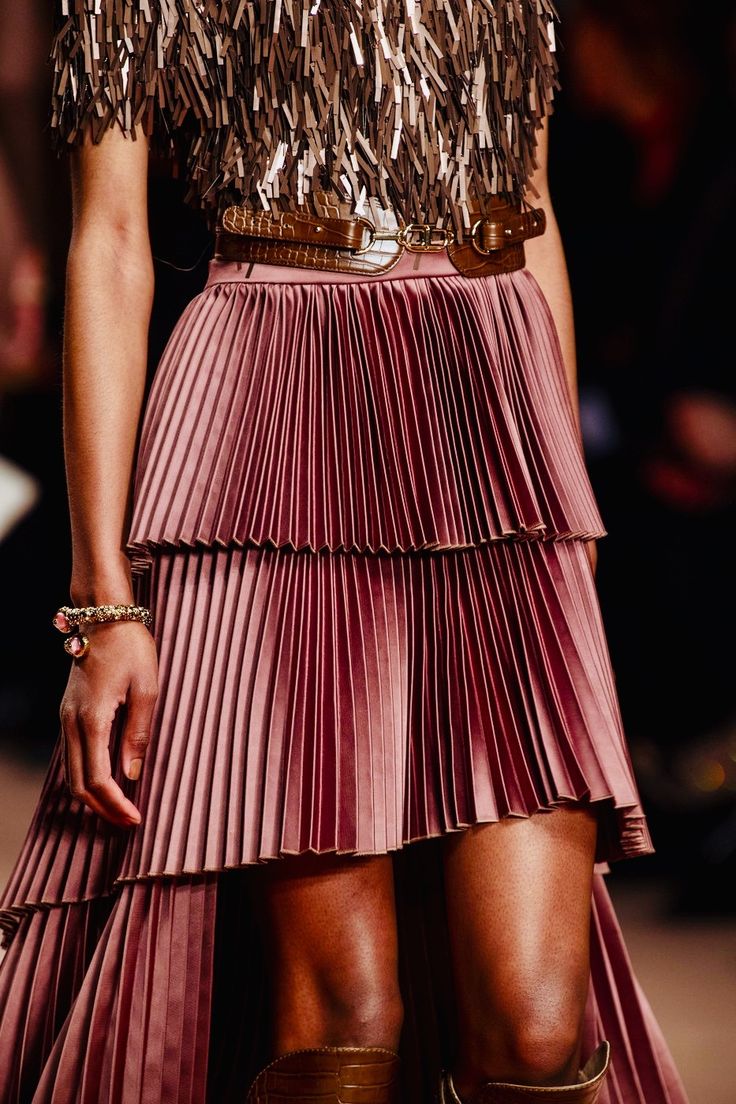
Accessories Are Not Afterthoughts—They're Your Secret Weapon
Most styling advice treats accessories like optional extras. But the data tells a different story. A 2023 survey of 1,000 fashion professionals found that 85% believe accessories are the most important factor in creating a memorable outfit. Why? Because they add personality, create visual interest, and can completely change the mood of a look.
Think about it: A simple white button-down and jeans can go from office-appropriate to weekend-ready with just a few accessory swaps. Add a structured blazer and statement necklace, and you're ready for a client meeting. Trade the blazer for a denim jacket and the necklace for layered bracelets, and you're set for brunch with friends. The base outfit stays the same, but the accessories completely transform it.
The Psychology of Accessories: Why They Work
Accessories work on a psychological level as well as an aesthetic one. A 2022 study published in the Journal of Fashion Psychology found that wearing statement accessories can boost confidence by 28% and make others perceive you as more creative and outgoing.
This is because accessories draw attention to specific areas of your body. A bold necklace draws the eye up to your face, while statement earrings frame it. A wide belt cinches your waist, creating an hourglass silhouette. Even a simple scarf can add color and texture that makes people notice you for all the right reasons.
But it's not just about getting noticed. Accessories can also tell a story about who you are. A vintage brooch passed down from your grandmother adds a personal touch that no mass-produced item can match. A pair of handcrafted earrings from a local artisan shows you value quality and support small businesses. These are the details that make an outfit memorable.
Size Matters: The Golden Rule of Proportion
One of the biggest mistakes people make when styling accessories is ignoring proportion. According to celebrity stylist Rachel Zoe, "The key to great accessory styling is balance. You don't want your accessories to overpower you or get lost in your outfit."
So what's the rule? For petite frames (under 5'4"), smaller, more delicate accessories tend to work best. Oversized statement pieces can overwhelm a smaller stature. For taller frames (over 5'8"), larger accessories can help create balance and prevent you from looking too "stretched out."
But these are just guidelines, not hard and fast rules. The most important thing is to experiment and find what makes you feel confident. I've worked with clients who are 5'2" but rock oversized hoops better than anyone I've ever seen. The key is to own your look.
Less Is More—But Sometimes More Is More
The age-old advice "less is more" doesn't always apply to accessories. Sometimes, stacking multiple pieces can create a stunning effect. The trick is to do it intentionally, not haphazardly.
When layering necklaces, start with a shorter piece that sits close to your collarbone, then add longer pieces that fall at different lengths. Mix textures and styles—try a delicate gold chain with a chunkier pendant necklace for contrast. For bracelets, mix metals and materials—leather, beads, and metal can all work together if they have a unifying color scheme.
But here's the catch: When you're wearing multiple statement accessories, it's best to focus on one area of your body. If you're wearing a bold necklace, keep your earrings simple. If you're stacking bracelets, go easy on the rings. This prevents your outfit from looking cluttered.
Color Coordination: Beyond Matching
Most people think accessories should match their outfit exactly. But that's a missed opportunity. According to color theory expert Joanna Gaines, "Contrasting colors can create a more dynamic and interesting look than matching ones."
Try pairing complementary colors—colors that are opposite each other on the color wheel. For example, a blue dress with orange earrings creates a vibrant, eye-catching combination. Or use accessories to add a pop of color to a neutral outfit. A black and white ensemble gets an instant lift from red heels or a yellow clutch.
You can also use accessories to tie together different colors in your outfit. If you're wearing a floral dress with pink, green, and yellow, choose accessories in one of those colors to create a cohesive look.
Seasonal Swaps: Adapting Your Accessories to the Weather
Accessories shouldn't stay the same year-round. Just like you swap out your winter coat for a spring jacket, you should adapt your accessories to the season.
In the winter, opt for accessories that are both stylish and functional. A cashmere scarf not only keeps you warm but also adds texture and color to a bulky winter coat. Leather gloves with decorative stitching add a touch of elegance to any outfit.
In the spring, lightweight scarves, floppy hats, and colorful sunglasses are perfect. They add interest without weighing you down. Summer calls for straw hats, woven bags, and delicate jewelry that won't tarnish in the heat.
Fall is the perfect time for layering accessories. Try a chunky knit scarf with a leather jacket and ankle boots. Add a statement necklace to a cozy sweater for a touch of glamour.
Investment Pieces vs. Trendy Finds: Striking the Balance
When it comes to accessories, it's important to strike a balance between investment pieces and trendy finds. Investment pieces are high-quality items that will last for years—think a classic leather handbag, a pair of diamond stud earrings, or a gold watch.
Trendy accessories are fun, affordable pieces that let you experiment with the latest styles without breaking the bank. These might include colorful statement earrings, printed scarves, or beaded bracelets.
The key is to build a foundation of investment pieces, then add trendy accessories to keep your look fresh. According to financial expert Suze Orman, "Invest in accessories that will stand the test of time, then splurge on trendy items that you'll only wear for a season or two."
Putting It All Together: A Step-by-Step Guide
Now that you understand the principles of accessory styling, let's put them into practice with a step-by-step guide:
1. Start with your base outfit: Choose the clothes you want to wear, then select accessories that complement them.
2. Decide on a focal point: Determine which area of your body you want to highlight—a statement necklace for your neck, bold earrings for your face, or a wide belt for your waist.
3. Consider proportion: Choose accessories that are appropriate for your body size and the scale of your outfit.
4. Mix and match: Don't be afraid to mix metals, textures, and styles. Just make sure there's a unifying element, like color or theme.
5. Edit: Take a step back and look at your outfit as a whole. If something feels off, remove one accessory at a time until you're happy with the result.
6. Confidence is key: The most important accessory you can wear is confidence. If you feel good in your outfit, it will show.
The Bottom Line
Accessories have the power to transform even the most basic outfit into something extraordinary. By understanding the principles of proportion, balance, and color coordination, you can use accessories to express your personality, boost your confidence, and make a lasting impression.
Remember, there are no hard and fast rules in fashion. The best way to learn is to experiment and find what works for you. So go ahead—try that statement necklace, stack those bracelets, and have fun with your accessories. You might be surprised at the impact they can make.