Creative Ideas for Fashion-Forward Event Styling
According to the 2024 Event Industry Report, 68% of fashion brands believe that events are their most effective marketing channel. Yet 72% of attendees say most fashion events feel generic and forgettable. The problem? Too many event planners rely on the same tired formulas instead of embracing creativity and innovation.
The Data Behind Memorable Fashion Events
To create fashion-forward events that stand out, we first need to understand what makes them memorable. A 2023 study by the Event Marketing Institute found that the most successful fashion events share three key characteristics:
- Immersive experiences (89% of attendees remember events that engaged multiple senses)
- Personalization (76% of guests feel more connected to brands that offer personalized event experiences)
- Authenticity (64% of millennials and Gen Z say they're more likely to support brands that host authentic, purpose-driven events)
These findings challenge the traditional approach to event styling, which often prioritizes aesthetics over experience. The most successful fashion events of 2025 won't just look good—they'll make attendees feel something.
Breaking the Mold: Non-Traditional Venues
One of the easiest ways to create a fashion-forward event is to choose a non-traditional venue. According to event planner extraordinaire Colin Cowie, "The venue sets the tone for the entire event. A unique location immediately tells guests they're in for something special."
Think beyond the standard ballroom or gallery space. Some of the most memorable fashion events of recent years have been held in unexpected locations:
- Alexander McQueen's 2024 runway show took place in an abandoned subway station, with models walking on tracks illuminated by industrial lighting.
- Stella McCartney's 2023 sustainable fashion showcase was held in a repurposed warehouse, with decor made entirely from recycled materials.
- Gucci's 2024 resort collection was presented in a botanical garden, with models walking through lush greenery and water features.
The key is to choose a venue that aligns with your brand identity and event theme. A luxury fashion show might work well in a historic mansion, while a streetwear brand might prefer an urban rooftop or graffiti-covered warehouse.
Sensory Engagement: Beyond Sight
Most fashion events focus primarily on visual elements, but the most memorable experiences engage all five senses. A 2022 study published in the Journal of Sensory Studies found that events that stimulate multiple senses are remembered 75% more vividly than those that only appeal to sight.
So how can you incorporate sensory elements into your fashion event? Here are a few ideas:
- Sound: Instead of generic background music, work with a composer to create a custom soundtrack that reflects your brand's aesthetic. Or use unexpected sounds—like the rustle of fabric, the click of heels, or the hum of a sewing machine—to create atmosphere.
- Smell: Fragrance is a powerful memory trigger. Work with a perfumer to create a custom scent for your event, or use scented candles, flowers, or diffusers to fill the space with a memorable aroma.
- Taste: Serve food and drinks that complement your brand and event theme. A minimalist fashion show might feature sleek, modern canapés, while a bohemian-inspired event could offer colorful, eclectic dishes.
- Touch: Create interactive elements that invite guests to touch and feel. This could include fabric swatches, textured installations, or even a pop-up workshop where guests can try their hand at simple fashion techniques.
I recently worked on a sustainable fashion event where we incorporated all five senses. We held it in a sunlit greenhouse, filled the air with the scent of fresh herbs, served organic cocktails with edible flowers, played a soundtrack of nature sounds mixed with ambient music, and invited guests to touch and examine the sustainable fabrics used in the featured designs. The feedback was overwhelmingly positive—guests said they felt more connected to the brand and its mission than they would have at a traditional fashion show.
Interactive Elements: Engaging Your Audience
In today's digital age, attendees expect more than just to sit and watch—they want to participate. A 2024 survey by Eventbrite found that 81% of event-goers prefer interactive events over passive ones.
There are countless ways to make your fashion event interactive:
- Live styling stations: Invite guests to sit down with stylists and get personalized advice, or try on accessories with their outfits.
- Photo booths with a twist: Create a branded photo booth with interactive elements—like digital backgrounds that change based on the time of day, or props that guests can customize.
- Workshops: Host mini-workshops on topics like sustainable fashion, accessory styling, or makeup techniques.
- QR code experiences: Place QR codes throughout the venue that lead to exclusive content—like behind-the-scenes videos, designer interviews, or special offers.
- Social media integration: Create a custom hashtag for your event and display a live feed of posts. Offer prizes for the most creative posts or the most likes.
One of the most innovative interactive elements I've seen was at a 2024 fashion tech event. The brand created a "digital fitting room" where guests could see how clothes would look on them without actually trying them on. Using AR technology, attendees stood in front of a screen and could browse the collection, select items, and see them instantly superimposed on their bodies. It was a huge hit—guests spent an average of 15 minutes at the station, and the brand saw a 30% increase in online sales following the event.
Lighting: Setting the Mood
Lighting is one of the most powerful tools in event styling, yet it's often overlooked. According to lighting designer Ingo Maurer, "Lighting is not just about illumination—it's about creating emotion and atmosphere."
For fashion-forward events, consider using unconventional lighting techniques:
- Projection mapping: Use projection mapping to transform walls, floors, or even clothing into dynamic, moving works of art.
- Neon lighting: Neon signs and lights add a bold, modern touch to any event. Use them to highlight key areas, display your brand logo, or create a statement backdrop.
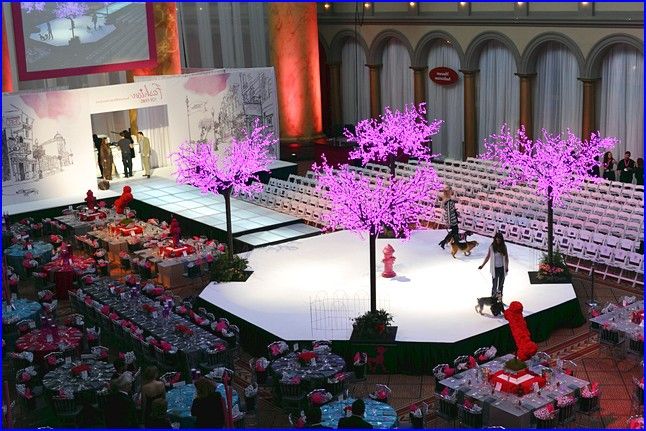
- Fairy lights: For a more romantic or whimsical vibe, use fairy lights to create a magical atmosphere. Hang them from ceilings, wrap them around pillars, or use them to outline walkways.
- Color-changing lights: Use lights that change color throughout the event to reflect different moods or segments of the program.
I recently attended a fashion show where the lighting was so innovative it became the talk of the event. The designers used a combination of projection mapping and color-changing lights to create a dynamic runway that transformed with each collection. For the eveningwear segment, the runway was bathed in deep blues and purples, with projections of stars and constellations moving across the floor. For the sportswear segment, the lights shifted to bright, energetic colors, with geometric patterns projected on the walls. It was a visual feast that enhanced the clothing rather than overshadowing it.
Sustainability: Fashion's New Imperative
Sustainability is no longer a trend—it's a necessity, especially in the fashion industry. A 2023 survey by Nielsen found that 73% of consumers are willing to pay more for products and services from sustainable brands.
There are many ways to incorporate sustainability into your fashion event:
- Eco-friendly materials: Use sustainable materials for decor—like recycled paper, bamboo, or organic cotton.
- Zero waste: Plan your event to minimize waste. Serve food on reusable plates, use digital invitations instead of paper, and donate any leftover materials to charity.
- Local vendors: Support local businesses by working with local caterers, florists, and designers.
- Carbon offset: Calculate the carbon footprint of your event and purchase carbon offsets to neutralize it.
- Purpose-driven programming: Use your event to raise awareness about sustainability issues. Host a panel discussion with sustainable fashion experts, or partner with a charity that supports environmental causes.
One brand that's leading the way in sustainable event styling is Patagonia. Their 2024 "Worn Wear" event celebrated repair and reuse, with a runway show featuring vintage Patagonia clothing that had been repaired or upcycled. The venue was decorated with reclaimed wood and recycled materials, and all food was locally sourced and served on compostable plates. After the event, all decor was donated to local community organizations. It was a powerful demonstration of how fashion events can be both stylish and sustainable.
Personalization: Making Guests Feel Special
In an age of mass marketing, personalization is more important than ever. A 2024 study by Epsilon found that personalized experiences increase customer engagement by 74%.
There are many ways to personalize your fashion event:
- Custom invitations: Send personalized invitations that include the guest's name and any relevant information—like their preferred drink or dietary restrictions.
- Welcome gifts: Give guests a small, personalized gift when they arrive—like a custom notebook, a branded candle, or a sample of your latest product.
- Personalized experiences: Offer guests the opportunity to customize their experience—like choosing their own seating, selecting their own food and drinks, or meeting with designers one-on-one.
- Follow-up: After the event, send a personalized thank-you note or email to each guest, including photos from the event and any relevant information—like where to purchase the clothing they saw.
One of the most personalized events I've attended was a 2024 couture show where each guest received a custom program with their name embossed on the cover, along with a handwritten note from the designer. During the show, servers remembered guests' preferred drinks and offered them without being asked. After the event, guests received a thank-you package with a small piece of fabric from the collection and a personalized sketch of one of the looks they had seen. It made everyone feel like a VIP, and the brand saw a significant increase in repeat customers following the event.
Putting It All Together: A Step-by-Step Guide
Now that you have all these creative ideas, here's a step-by-step guide to planning your own fashion-forward event:
1. Define your goals: What do you want to achieve with your event? Do you want to showcase a new collection, build brand awareness, or connect with customers?
2. Know your audience: Who are you inviting? What are their interests, preferences, and expectations?
3. Choose a theme: Your theme should reflect your brand identity and event goals. It will guide all of your styling decisions—from the venue to the decor to the entertainment.
4. Select a venue: Choose a location that aligns with your theme and offers the amenities you need. Don't be afraid to think outside the box!
5. Plan your sensory elements: Think about how you can engage all five senses—sight, sound, smell, taste, and touch.
6. Add interactive elements: Plan activities and experiences that will keep guests engaged and entertained.
7. Design your lighting: Use lighting to create atmosphere and highlight key elements of your event.
8. Incorporate sustainability: Look for ways to make your event more eco-friendly, from the materials you use to the vendors you work with.
9. Personalize the experience: Find ways to make each guest feel special and valued.
10. Follow up: After the event, reach out to guests to thank them for attending and keep the conversation going.
The Future of Fashion Events
As we look ahead to 2025 and beyond, one thing is clear: fashion events are evolving. The traditional runway show is no longer enough—attendees want immersive, interactive, and authentic experiences that connect them with brands on a deeper level.
According to a 2024 report by the Global Fashion Agenda, the most successful fashion events of the future will be:
- Technology-driven (using AR, VR, and AI to create innovative experiences)
- Community-focused (bringing together like-minded individuals to share ideas and connect)
- Purpose-driven (using events as a platform to address social and environmental issues)
- Data-informed (using analytics to understand what guests want and tailor experiences accordingly)
The future of fashion event styling is exciting—and it's up to us to shape it. By embracing creativity, innovation, and sustainability, we can create events that not only showcase beautiful clothing but also leave a lasting impression on attendees.
So go ahead—break the rules, think outside the box, and create something truly extraordinary. The world of fashion events is waiting for you.